

Coworking Space vs Traditional Office – Which Is Better for Small Teams?
If you are part of a small team, finding the right offices in Lahore can feel overwhelming. The working space you choose is not just about where you sit and work; it shapes your team’s daily experience, growth, and bottom line. Recently, more entrepreneurs are asking: Should we stick with a traditional private office or try out a coworking space?
It’s true, not a one size office fits all businesses. Your decision depends on how your team works, your growth plans, and, yes, your budget. We have talked to friends running startups, heard feedback from Lahore business owners, and drawn from leading market reports to help you weigh your options. Each option comes with some pros and cons, and understanding these differences is key to finding the best fit for your needs.
What Is a Coworking Space?
A coworking space is a shared office environment designed to offer flexibility, convenience, and a strong sense of community. These spaces come in several forms:
- Open Desk – A common area where individuals or teams choose any available seat each day.
- Dedicated Desk – A reserved desk space in a shared office for regular use.
- Sky Pods – Enclosed office rooms within the coworking facility, suitable for teams seeking additional privacy while retaining access to common amenities.
- Professional Meeting Rooms – Bookable spaces for conferences, presentations, interviews, or focused group work.
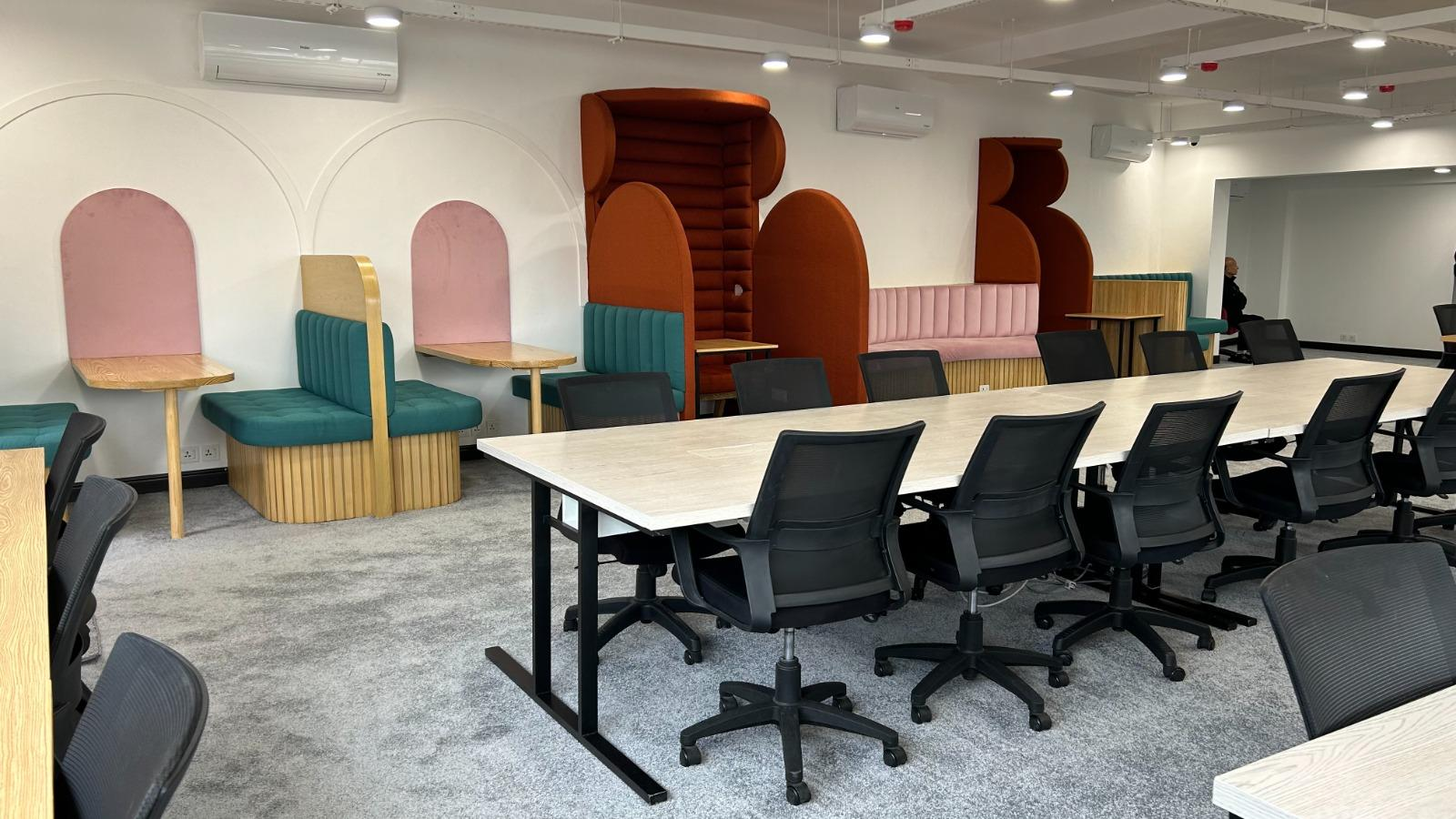
Today, coworking spaces are popular among freelancers, remote workers, startups, small businesses, and even project teams from larger companies. In Lahore, providers like QuickOffice have made these flexible options mainstream by catering to a wide range of professionals, ensuring that everyone from solo entrepreneurs to growing teams finds a workspace that fits their needs.
What Is a Traditional Office?
A traditional office is a workspace or building that is privately leased or owned solely for your business use. In Lahore and across Pakistan, leasing a traditional office typically involves signing a contract for 1 to 3 years (or more), paying a substantial security deposit, and sometimes brokerage fees. Tenants are responsible for furnishing the space, purchasing desks, chairs, décor, and arranging the layout. Maintenance tasks such as cleaning, repairs, and facility management fall entirely on the business, along with managing all utilities (electricity, water, high-speed internet, backup power, etc.). While this setup provides maximum privacy and control over your work environment and branding, it demands a large upfront investment and ongoing operational attention from your team.
Also Read: Coworking vs. Traditional Office: Why QuickOffice’s Unique Spaces Win in Lahore
Cost Comparison for Small Teams
Here’s how the costs stack up for small teams:
| Factor | Coworking Space | Traditional Office |
| Upfront cost | Low | High (deposit, furniture) |
| Monthly cost | Predictable | Variable |
| Utilities | All-inclusive | Separate |
| Commitment | Month-to-month | 1–3 year leases |
Flexibility & Scalability
Coworking spaces make it simple for small teams to adjust their workspace as needs change, expanding to accommodate new hires or downsizing during slow business can often happen instantly and without hassle. The level of flexibility lets small teams react quickly to new opportunities or challenges, while only paying for the space they actually use. In fact, CBRE’s survey found flexible spaces cut real estate costs by up to a third for small businesses.
On the other hand, traditional offices come with fixed layouts determined at the lease’s start. If your team grows or shrinks, you may be stuck in an office that’s either too crowded or too expensive for your new size. Adjusting often means costly renovations or the headache of relocating, which disrupts business and adds to operational stress. For small teams, coworking removes these constraints, offering an agility that supports dynamic growth, while traditional offices can limit your ability to adapt quickly.
Productivity & Work Environment
Coworking spaces are known for their vibrant, creative atmosphere, open layouts, community events, and shared amenities encourage idea exchange and collaboration. Teams working in these environments often spark new partnerships or client leads: for example, at QuickOffice, members frequently connect during coffee breaks or in networking events, leading to valuable business relationships. However, the energetic environment means distractions are possible, particularly in open desk areas. That’s why many coworking providers, including QuickOffice, offer dedicated quiet zones and bookable meeting rooms for focused tasks.
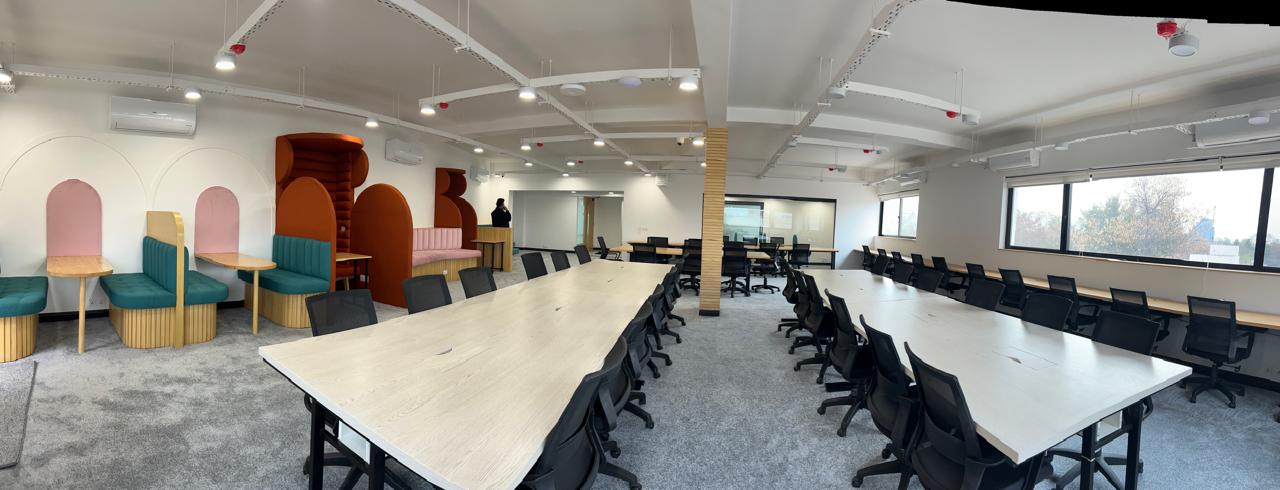
In contrast, traditional offices deliver the privacy and environmental control that some teams need, such as those working with sensitive data or requiring strict routines. You can design your space, set your own rules, and maintain a consistent atmosphere with fewer interruptions. However, this privacy often comes at the expense of community engagement; teams may find themselves siloed, missing out on the conversations or industry insights that happen naturally in coworking settings. For teams that crave collaboration and diverse input, coworking space is the best choice, while those prioritizing confidentiality and customization may lean toward traditional setups.
Networking & Collaboration Opportunities
Coworking spaces like QuickOffice show a sense of community by arranging regular events, workshops, and mixers that bring diverse businesses together. These opportunities make it easy for small teams to engage with other professionals, share expertise, and even collaborate on projects across company lines, something that frequently happens at QuickOffice events in Lahore. The open environment helps spark new ideas and expands professional networks far beyond a single organization.
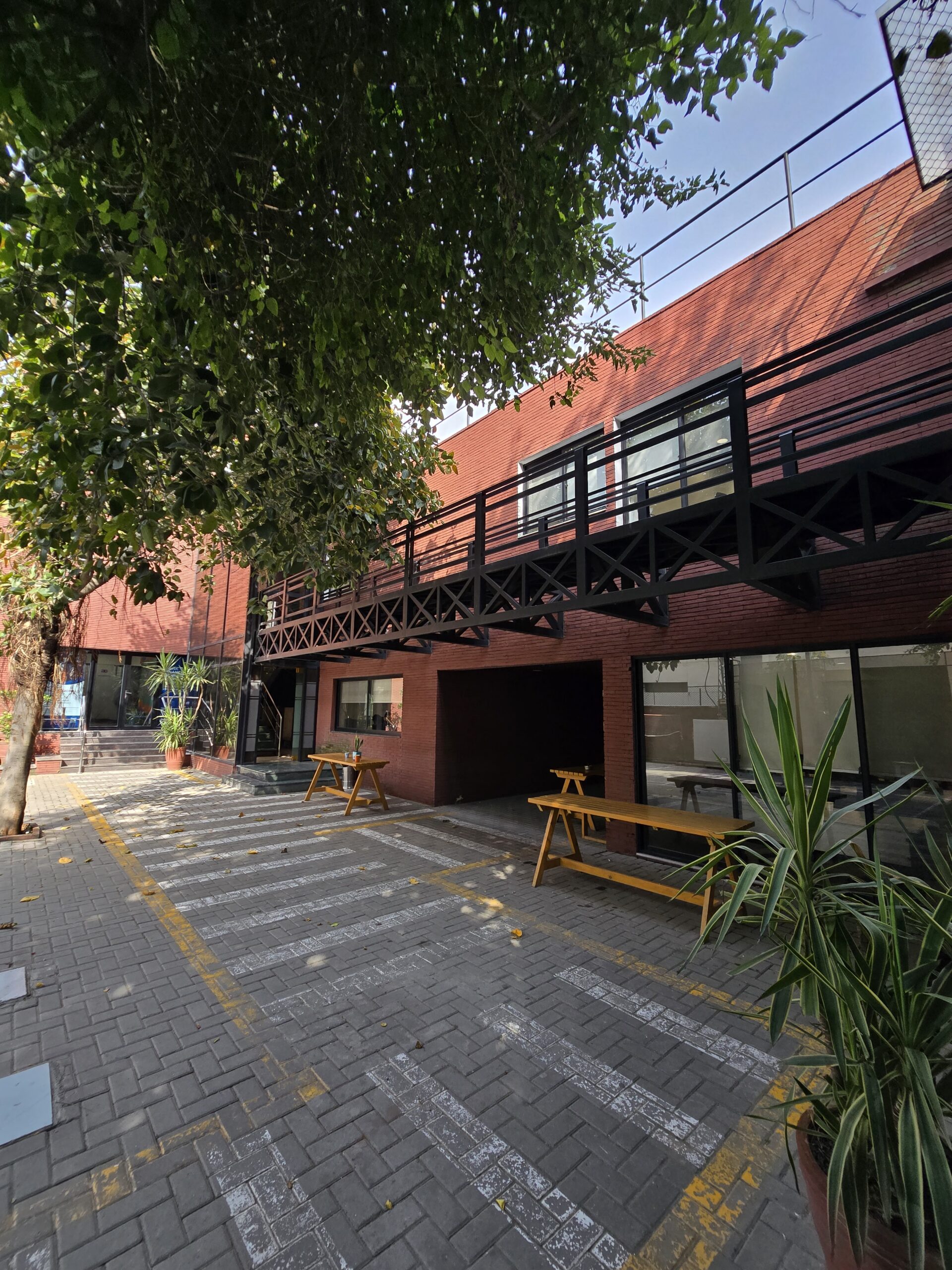
Traditional offices, on the other hand, provide fewer opportunities for such dynamic interaction. Networking and collaboration are typically confined to your immediate coworkers, with limited exposure to the external business community unless the office building is shared with other tenants or hosts joint events. It means growth through cross-industry partnerships and spontaneous learning is not common.
Also Read: Best Coworking Spaces in Lahore
Amenities & Services
Coworking spaces usually offer a wide range of amenities such as high-speed Wi-Fi, modern meeting rooms, on-site reception services, secure access, printing facilities, and complimentary coffee, all bundled into your monthly fee. Additional perks might include event spaces, wellness areas, and communal lounges, helping your team stay productive and connected without worrying about setup or maintenance.
In a traditional office, amenities are only available if you set them up yourself or pay for them separately. That means arranging for internet installation, purchasing and maintaining printers, furnishing meeting rooms, organizing security systems, and handling kitchen or coffee services on your own. As a result, the convenience and support found in coworking spaces can be harder to replicate in a private traditional office setup.
Hidden Costs to Be Aware Of
Coworking:
- Extra meeting room fees
- Limited customization
Traditional Office:
- Internet installation and service costs
- Furniture purchases
- Cleaning and maintenance expenses
- Risks of long-term contracts
Which Is Better for Small Teams? (Decision Guide)
Here’s a quick decision matrix to help you decide:
| Choose Coworking If You Want | Choose Traditional Office If You Want |
| Low upfront cost | High control over your environment |
| Flexibility to scale up or down | Maximum privacy |
| Access to networking and community | Custom branding and space design |
| Short-term, month-to-month commitment | Long-term stability and space consistency |
Also Read: QuickOffice 304 Upper Mall: The Best Coworking Space Near Canal Road Lahore
Conclusion
In summary, coworking spaces and traditional offices each offer unique benefits for small teams, but your choice depends on your business style, budget, and need for flexibility or privacy. Coworking spaces like QuickOffice stand out with their scalable options, all-inclusive amenities, built-in community, and minimal setup hassles, helping teams focus on growth rather than facility management. Traditional offices give you full control and custom branding, but at the cost of higher upfront investment and long-term commitment.
For most small teams in Lahore, exploring a coworking space like QuickOffice, by booking a tour and experiencing a workday, can be the smartest next step. It’s the best way to experience how flexible workspaces can boost productivity, collaboration, and overall satisfaction before making your final decision.
FAQs
Is coworking cheaper than a traditional office?
Generally, coworking spaces offer lower upfront costs and predictable monthly fees, whereas traditional offices come with significant setup and variable costs.
Are coworking spaces good for small teams?
Yes, especially for teams that value flexibility, networking, and ready-to-use amenities.
What are the disadvantages of coworking spaces?
Some distractions, less space customization, and shared facilities can be drawbacks for some teams.
How does productivity compare in coworking vs private offices?
Coworking spaces offer a lively atmosphere and collaboration, which can boost creativity. However, Private offices provide greater control and privacy for focused work.
Which office type is better for startups?
Most startups benefit from the flexibility, lower cost, and networking opportunities in coworking spaces. However if you have a team of 4 to 6, a private office in a shared office space like QuickOffice can be a great choice.
What amenities are included in coworking spaces like QuickOffice?
High-speed internet, meeting rooms, event spaces, reception, security, coffee, outdoor relaxing areas and lounges.
How flexible are coworking contracts compared to traditional office leases?
Coworking contracts are typically month-to-month, while traditional office leases often require 1–3 years of commitment.